
Share this tool:
 |
Description:
groas is an AI Google Ads management platform built for businesses and agencies that want campaign optimization handled by autonomous AI agents rather than manual media buying alone. Its focus is specific: Google Ads performance, search intent, budget control, keyword decisions, ad copy, and landing page adaptation. It is not a general marketing assistant. It is designed for teams that already care about paid search and want more automation across the account.
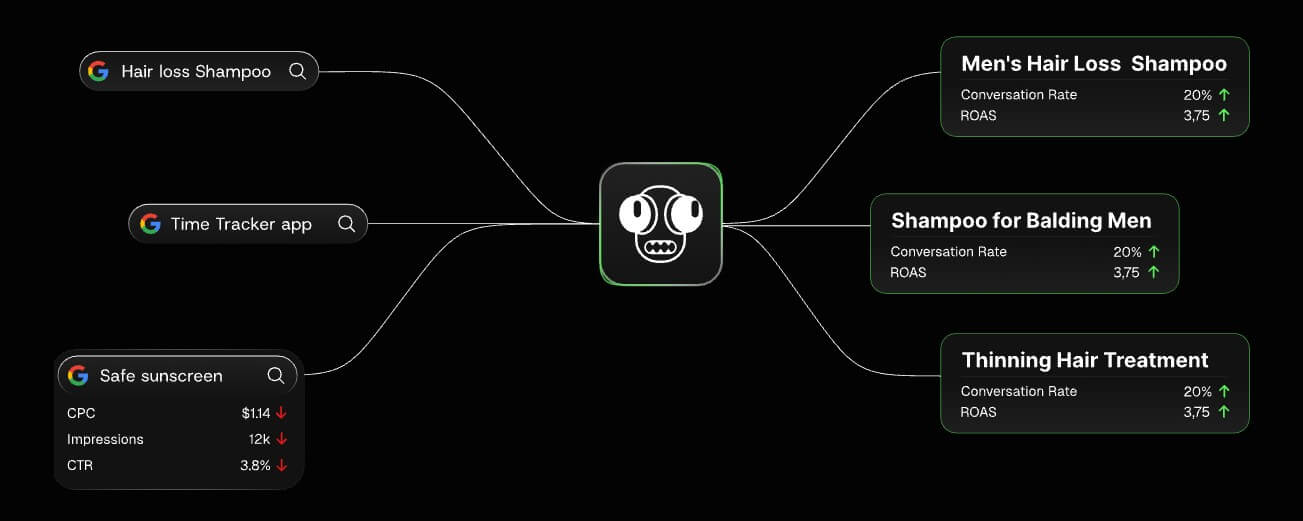
The core idea behind groas is that Google Ads accounts create too many signals for a human team to evaluate all day, every day. groas positions itself as an AI execution layer that can review search terms, bids, keywords, ads, landing pages, budgets, and performance data continuously. The company says its agents are trained on more than $500 billion in profitable Google Ads spend, which is a major part of its positioning.
That claim should be read as platform positioning, not a guarantee for every advertiser. Paid search performance still depends on the offer, margins, tracking quality, landing page strength, search volume, conversion data, and market competition. But groas is interesting because it does not stop at “recommendations.” It says the system can execute actions inside campaigns, including bid, budget, keyword, and targeting decisions.
| Area | What groas Offers | Why It Matters |
|---|---|---|
| AI ad agents | Agents for conversion copy, budgeting, search intent, opportunity discovery, and optimization | Covers more than one part of campaign performance |
| Google Ads execution | Builds new campaigns or improves existing ones | Useful for both new and active accounts |
| Dynamic landing pages | Adapts landing pages to user search intent | Helps align ad message with what the user searched |
| Agency workflow | MCC connection, client account sync, branded weekly reports, white-label setup | Helps agencies scale client work |
| Human oversight | Strategists supervise results and support accounts | Reduces the risk of fully unchecked automation |
| Reporting | Weekly reports explaining actions and changes | Makes automation easier to review and explain |
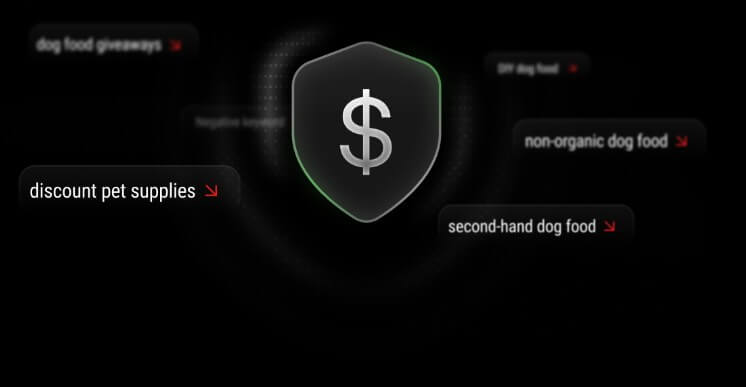
groas breaks its system into several agent types. Its site lists conversion copy agents, budgeting agents, search intent agents, opportunity discovery agents, and optimization agents. The stated goal is to generate ad and landing page copy, block irrelevant keywords, avoid costly bids, identify new revenue channels, and run large-scale testing around the clock.
This is a strong fit for advertisers who already have conversion tracking and enough campaign activity to give the system meaningful data. It may be less useful for a brand-new account with no history, weak offers, or unclear conversion goals. AI optimization needs signal. Without clean data, the system may still move fast, but the business may not learn the right lesson from the results.
The most practical use case is not replacing all marketing judgment. It is reducing the amount of repetitive account work: search term cleanup, budget movement, ad variation, bid decisions, and opportunity scanning.
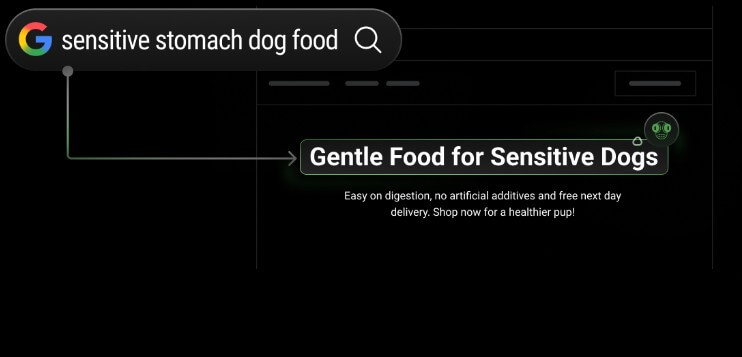
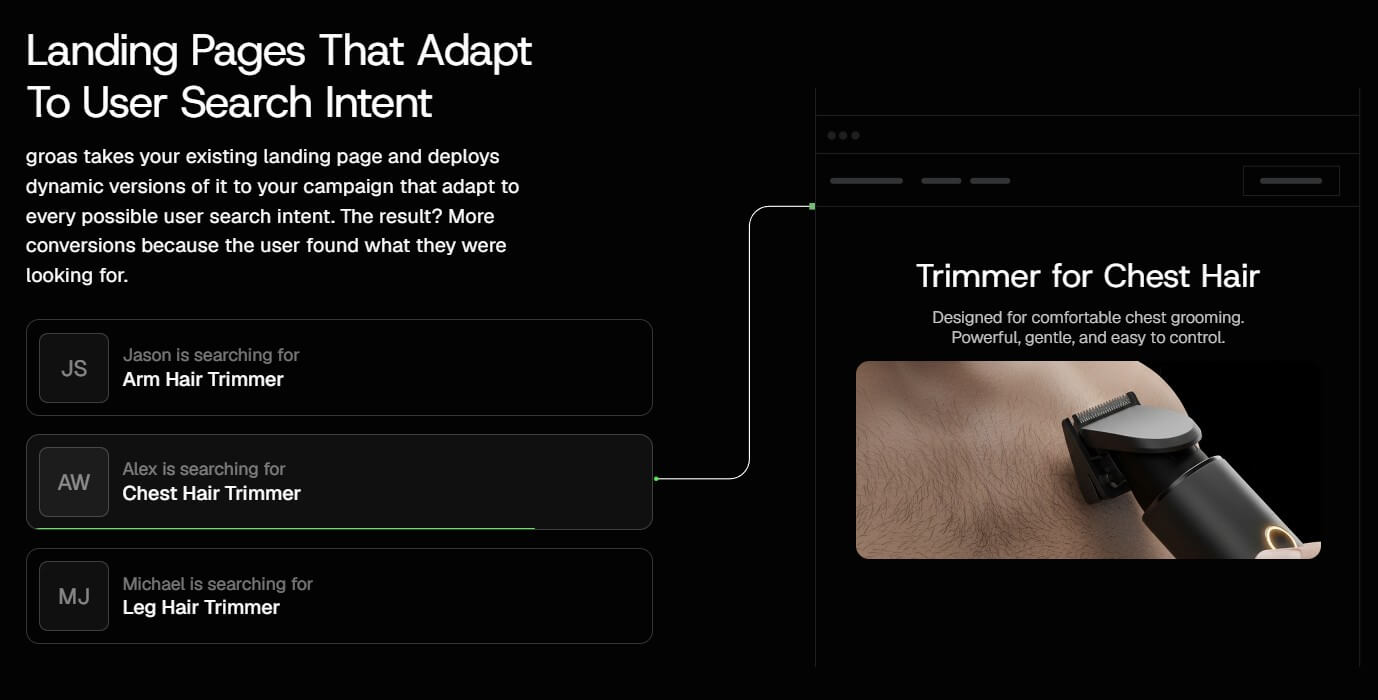
One of groas’s more interesting features is dynamic landing page adaptation. The company says it can take an existing landing page and deploy dynamic versions that match different user search intents. The example on the site shows different search terms, such as arm, chest, and leg hair trimmer, receiving landing page copy tailored to that intent.
This matters because landing page mismatch is a common paid search problem. The ad may match the search, but the landing page is often too broad. If groas can make the landing experience more relevant without requiring a team to build dozens of pages manually, that is a real workflow advantage.
The caveat is quality control. Dynamic pages should be reviewed for accuracy, brand voice, compliance, and conversion logic. More variations are not always better if the message becomes thin or repetitive.
groas offers different operating paths for businesses. The business page describes a Done-With-You option where the company’s engine does the heavy lifting while senior humans stay in control, and a Done-For-You option where groas owns the account, including strategy, landing pages, offers, and the conversion path.
For agencies, the workflow is more infrastructure-focused. Agencies can connect a Google Ads MCC, sync client accounts, create or connect campaigns, add a website snippet, let groas map landing pages, and receive branded weekly reports. groas also says it can run under the agency’s brand with client-facing reporting.
That makes the agency use case one of the strongest. An agency can keep strategy and client relationships in-house while using groas as the execution engine underneath. The risk is dependency: if the agency does not understand what the automation is doing, it may struggle to explain changes or diagnose problems when performance shifts.
groas is best for businesses already spending on Google Ads and agencies managing multiple paid search accounts. Strong use cases include ecommerce search campaigns, lead generation campaigns, service businesses with clear conversion goals, agencies scaling PPC delivery, and teams that want faster search term cleanup, landing page variation, and budget optimization.
It is also a good fit for teams that feel manual PPC work has become the bottleneck. If a media buyer spends most of the week adjusting bids, cleaning keywords, and building small campaign variants, groas aims to automate that labor.
The biggest limitation is that groas cannot fix every paid search problem. Weak offers, bad conversion tracking, poor margins, slow sales follow-up, low search demand, or unclear positioning can still hurt results. AI optimization is not a substitute for a strong business model.
Another trade-off is trust. Autonomous campaign changes need oversight. Businesses should review reports, watch conversion quality, monitor spend efficiency, and make sure the system is optimizing for revenue that actually matters, not just surface-level campaign metrics.
groas is best for businesses and agencies that want AI to handle more of the Google Ads execution layer: campaign optimization, search intent mapping, budget movement, ad copy, keyword decisions, and dynamic landing page variation.
Its strongest value is speed and scale inside paid search workflows.
The main caveat is that automation still needs clean data, strong offers, and human review to make sure performance gains are real, not just activity in the account.
TAGS: Marketing
Related Tools:

Automate sales outreach and workflow management

Creates and optimizes multi-channel ad campaigns
Automates lead generation, market research, and data processing
Automates content creation
Streamlines email marketing
Automates lead generation and marketing for real estate