
Share this tool:
 |
Description:
CloseGPT is an AI sales and service platform built around “AI Employees,” voice AI, appointment booking, CRM, inbox management, and automation. It is aimed at businesses that need faster lead response, steadier follow-up, and fewer missed customer conversations. The platform is not just a voice bot. It combines calling, messaging, scheduling, pipelines, templates, forms, and integrations into one operational system.

CloseGPT is designed for businesses that lose money when leads are not contacted fast enough. That includes service companies, agencies, sales teams, appointment-based businesses, consultants, home services, medical-adjacent offices, local businesses, and any team where inbound calls or follow-up tasks pile up.
The platform says its AI can create a custom AI Employee during setup, then let users choose a voice, connect a calendar, add a website to the knowledge base, and test the agent through call or chat before going live. It also says the AI can be live quickly for inbound and outbound calling, with optional drag-and-drop automations and broad integration options.
That setup is important. Voice AI is only useful if it can understand the business, know what to say, capture the right data, and hand off the right next step. CloseGPT’s strongest promise is speed to a working sales or service agent without forcing the user to connect separate tools for calling, AI models, voice, SMS, email, and automation.

| Area | What CloseGPT Offers | Why It Matters |
|---|---|---|
| Voice AI | Makes and receives calls | Useful for lead response, qualification, reminders, and service calls |
| AI Employees | Goal-based agents for sales and service tasks | Helps assign repeatable work to an automated assistant |
| Templates | AI templates across goals and industries | Speeds setup for common follow-up and conversion workflows |
| Appointment scheduling | Syncs with Gmail and Microsoft calendars | Reduces back-and-forth booking messages |
| CRM and pipelines | Customer records, funnel stages, and task organization | Keeps leads and deals visible |
| Unified inbox | Email and SMS conversations in one place | Helps teams track communication history |
| Automations and integrations | Webhooks, Zapier, Pabbly, API, CRM connections | Lets CloseGPT fit into existing systems |
The voice AI feature is the center of CloseGPT. The platform says the AI can handle outbound and inbound calls for contact qualification, appointment booking, customer service, and related tasks. It can also use call transcripts and recordings inside reporting and the unified inbox, which helps teams review what happened without relying on memory or scattered notes.
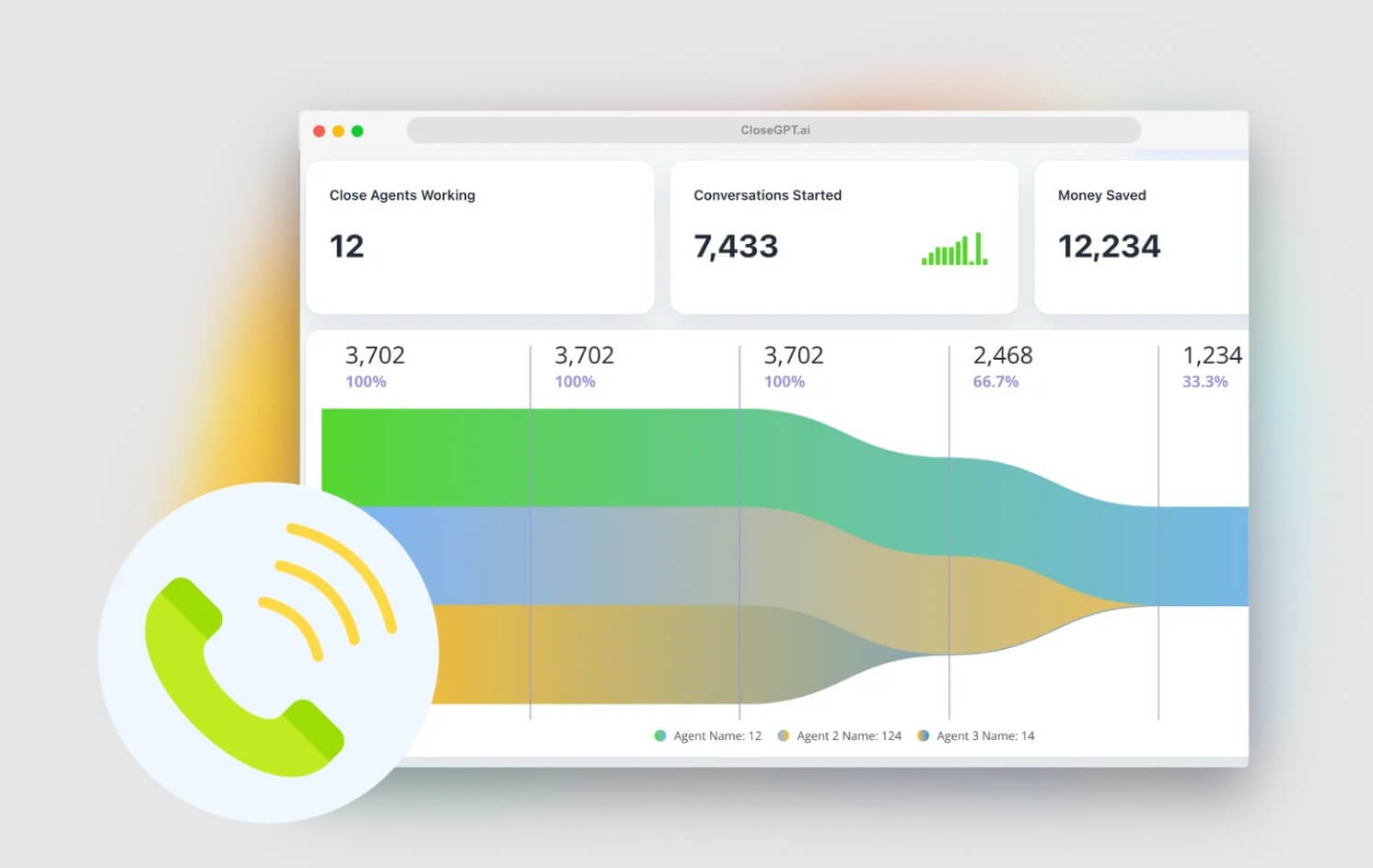
The “AI Employees” angle is the more interesting part. CloseGPT describes these agents as sales and customer service assistants that can automate follow-ups, nurture contacts, re-engage existing customers, book appointments, collect data, and work assigned prospects or pipeline stages. It also says AI Employees can use 35+ goals, with custom goals available, and offers one-click templates for many industries.
This makes CloseGPT more practical than a generic phone bot. A generic bot answers. An AI Employee should have a job: call new leads, follow up on quotes, confirm appointments, collect missing details, remind old customers, or move prospects toward a booking.
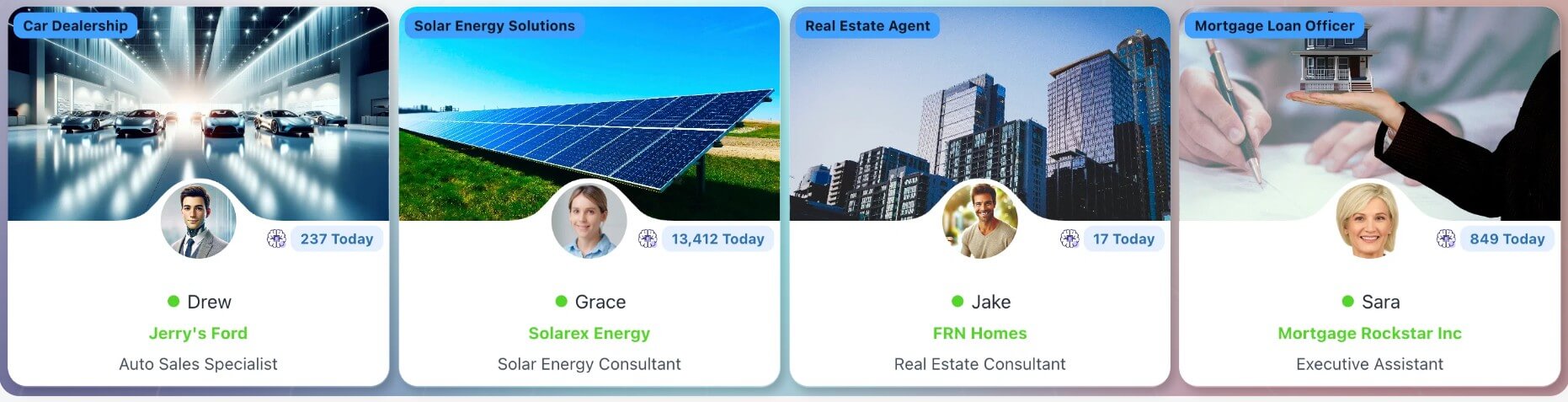
CloseGPT’s template library is useful for users who do not want to design every call flow from scratch. The platform says its one-click templates are built around more than 35 business goals and can be used across industries. It also says the templates are meant for lead engagement, prospect scenarios, and conversion workflows.
This is a smart design choice. Most businesses do not begin with a perfect automation map. They begin with a rough goal: “call every new lead within five minutes,” “book estimates,” “ask these three qualifying questions,” or “send the right follow-up after the call.” Templates help users start closer to the finish line.
The trade-off is that templates still need editing. A roofing company, med spa, law office, and B2B agency may all need lead qualification, but they should not sound the same. The best users will customize the agent’s tone, questions, exclusions, escalation rules, and follow-up actions.
CloseGPT’s appointment scheduling feature syncs with Gmail and Microsoft calendars, offers available time slots, handles booking communication, and sends reminders automatically. For appointment-driven businesses, this can remove a lot of manual admin work.
The CRM and pipeline tools matter because calls should lead somewhere. CloseGPT describes CRM functions for centralizing customer data, automating tasks, and helping teams manage relationships and deal progress. Its AI Employee page also mentions pipelines, custom funnel stages, automations, and call routing or forwarding.
The unified inbox adds another useful layer. CloseGPT says users can manage emails and SMS messages from one dashboard, track engagement, use message templates, and organize conversations with smart buckets. That is helpful for teams that do not want call notes, texts, and email follow-ups scattered across different apps.
CloseGPT also includes adaptive forms that can change paths or redirects based on user answers. This is useful when a business needs more than a basic contact form. For example, a lead can be routed differently depending on service type, urgency, location, or budget.
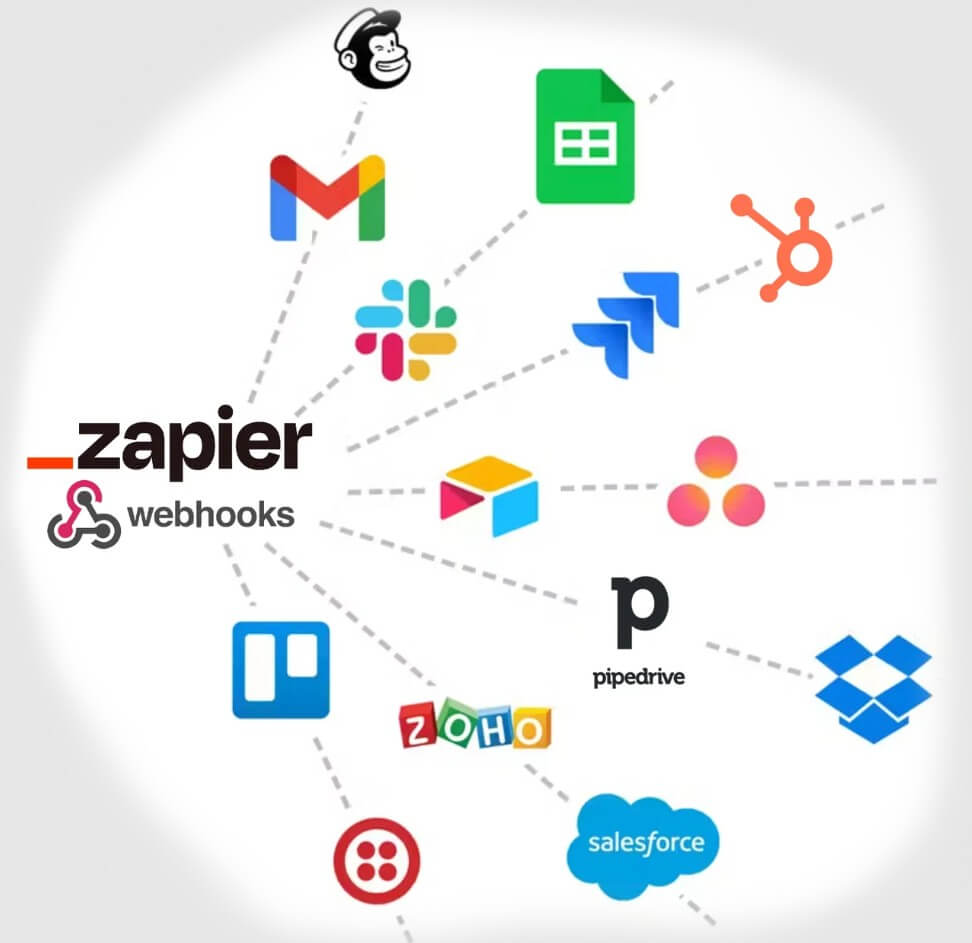
Integration support is another important piece. CloseGPT says it supports built-in two-way webhooks, Zapier, Pabbly, CRM connections, calendar connections, and an API. That makes it more flexible for agencies and businesses that already have systems in place.
CloseGPT is best for businesses where fast response and steady follow-up matter. Strong use cases include calling new leads, qualifying prospects, booking appointments, following up on quotes, reactivating old customers, confirming service requests, collecting intake details, and routing calls to humans when needed.
It is also a good fit for agencies that want to provide AI calling and automation to clients, since CloseGPT mentions sub-accounts, custom domains, and white-label backend customization for agency use.
- The main limitation is risk. Voice AI touches real customers, so mistakes feel more serious than a bad email draft. Businesses need to test scripts, review transcripts, define escalation rules, and make sure the AI does not make claims it should not make.
- Compliance also matters. CloseGPT notes that users should consult legal professionals and says its terms require calls only to people who have given permission to be contacted. That is not a small detail. Outbound AI calling should be handled carefully, especially in regulated industries or regions with strict consent rules.
CloseGPT is best for businesses and agencies that want AI to handle calls, lead follow-up, appointment booking, and customer communication inside a broader CRM and automation workflow.
Its strongest value is speed to an operational AI Employee, especially for teams that miss leads or waste time on repetitive follow-up.
The main caveat is control: voice AI needs careful setup, consent-aware outreach, transcript review, and clear human handoff rules before it should represent a business at scale.
TAGS: Marketing
Related Tools:
Provides customizable email templates

Analyzes websites to increase conversions and sales

Enhances website design and user experience
Create website tools like forms and chat widgets
Helps SaaS teams create and send email sequences
Generates personalized sales copy