Share this tool:
 |
Description:
Hoppy Copy is an AI email marketing and content platform built around campaigns, newsletters, sequences, automation, and brand-aware copy. The main difference from a general AI writer is focus. Hoppy Copy is not trying to be a blank-page chatbot for every task. It is aimed at marketers who need email ideas, subject lines, body copy, sequences, competitor research, editing help, and a way to move from draft to send without rebuilding the workflow elsewhere. Hoppy Copy describes the platform as an all-in-one AI email marketing and content system that can create content in your brand voice, automate sends, monitor competitors, and manage email workflows in one place.
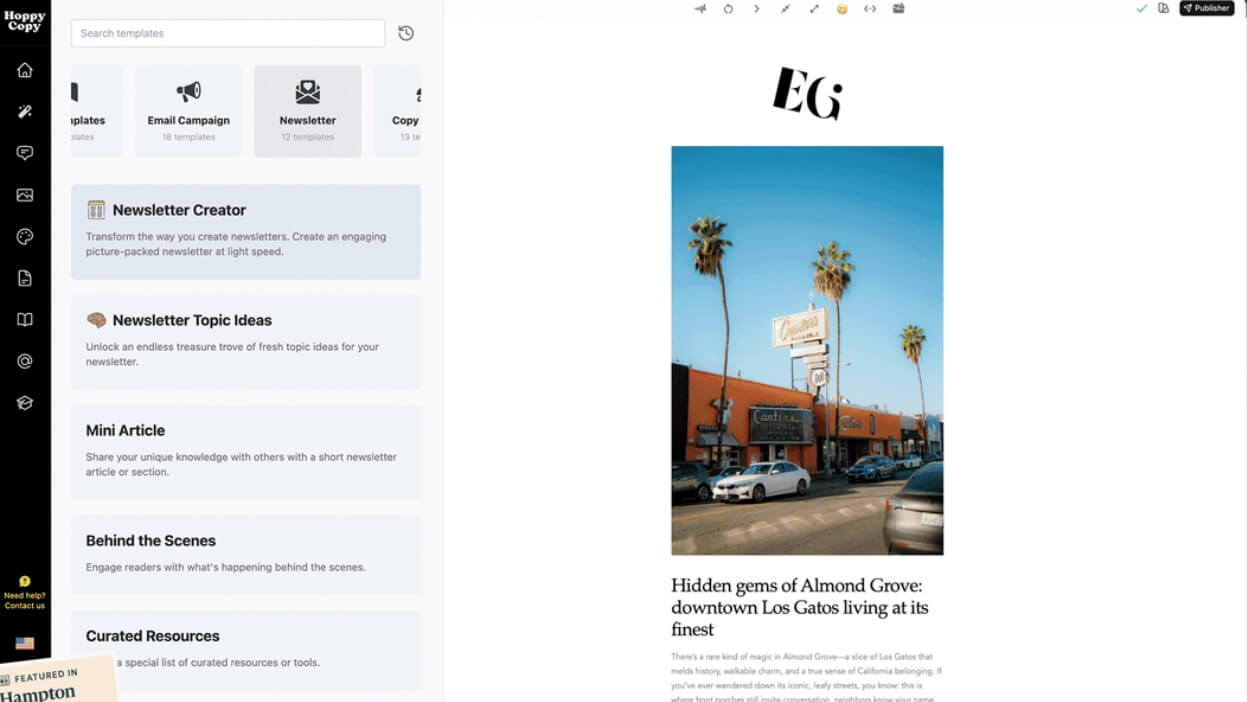
Hoppy Copy is strongest when you treat it as an email production workspace, not just a copy generator. Its AI Copywriter covers campaigns, newsletters, sequences, and other marketing content, and Hoppy Copy says its template library includes copywriting frameworks and email-focused tools for campaign creation.
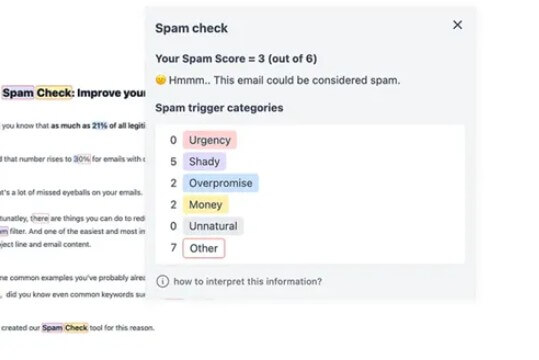
The most useful part is the way it narrows the writing task. A general chatbot can write an email, but it often needs more instruction to understand the format. Hoppy Copy gives the user a more email-native starting point: campaign type, tone, subject line, preview text, editing, spam review, and sending workflow.
That matters for small teams. If you are writing one campaign, almost any capable AI writer can help. If you are trying to publish a weekly newsletter, build a welcome flow, test subject lines, and keep your tone consistent, Hoppy Copy starts to make more sense.
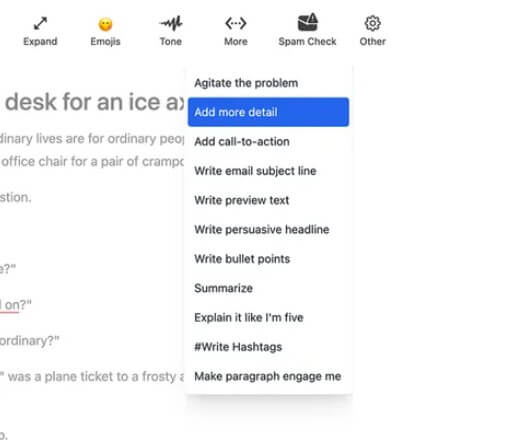
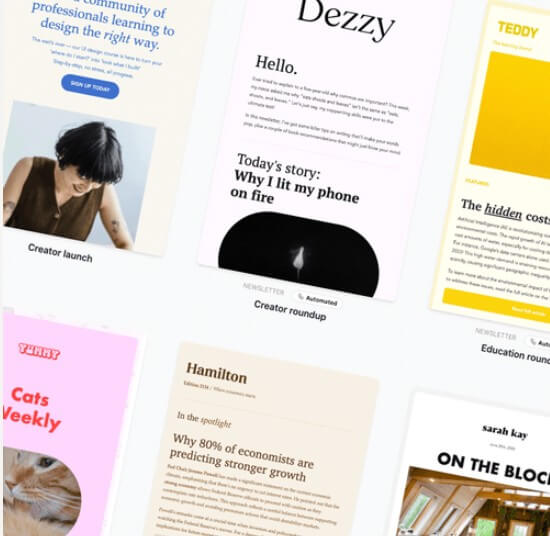
The workflow is simple enough for non-technical marketers: choose the email goal, describe the brand or offer, select a tone, generate the draft, then edit and refine. Hoppy Copy’s own workflow describes this as picking a template, describing the brand and email, choosing tone, then using the editor to check grammar, formatting, and deliverability.
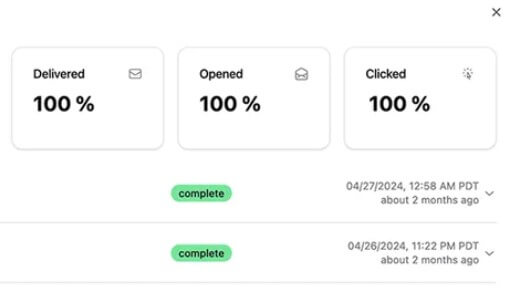
The platform also goes beyond writing. Hoppy Copy lists publishing, automations, forms, audience management, and analytics as part of the product navigation, which makes it more complete than a standalone copy assistant. Users can also export or send through their existing setup, so it does not have to replace an existing email platform immediately.
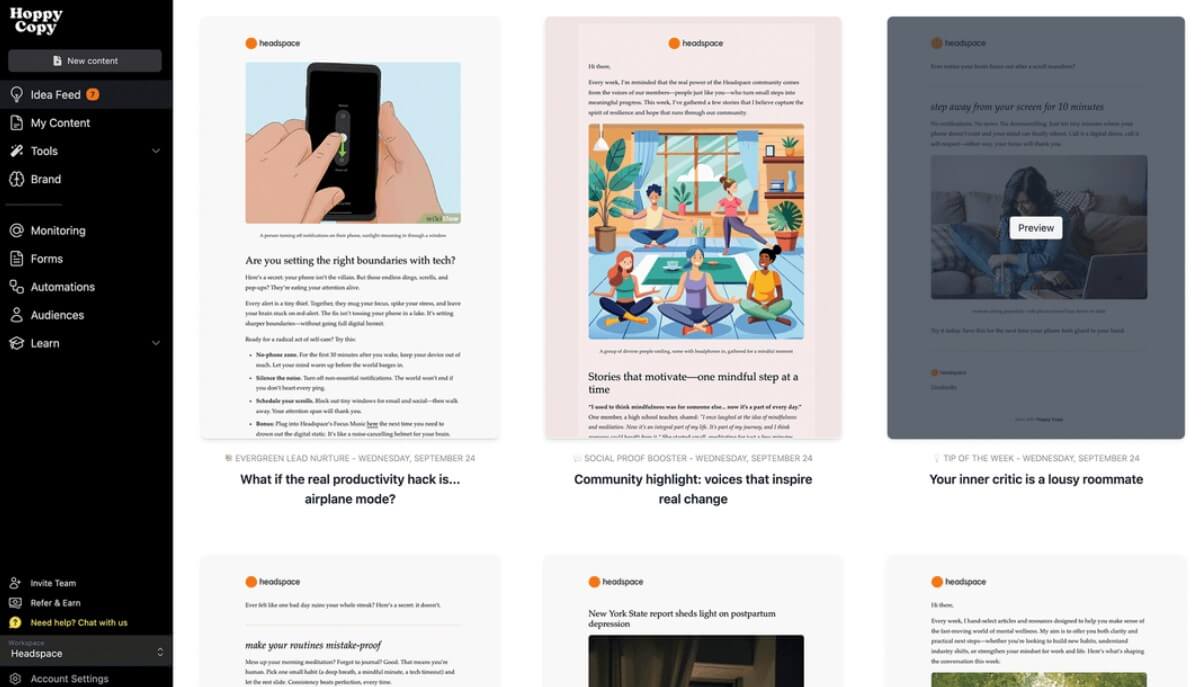
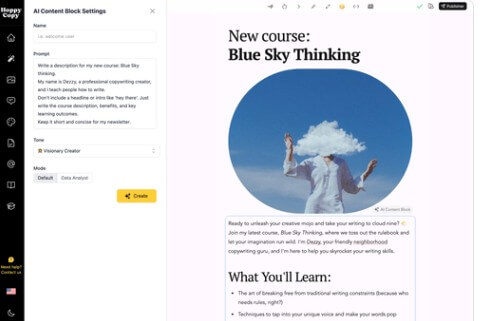
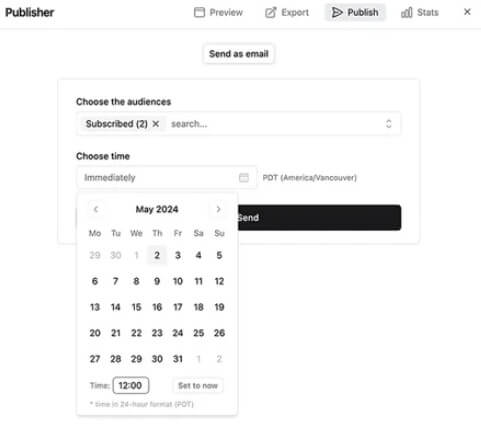
Hoppy Copy does not need a long model comparison, but the model layer is still worth noting. The platform lists multiple model families, including GPT, Perplexity, Claude, and Gemini, as options across content tools. That is useful because email copy is subjective. One model may be better for punchy promotional copy, while another may produce calmer newsletter drafts or cleaner rewrites.
The more important layer is Brand Memory. For email, consistency often matters more than raw creativity. A good email should sound like the brand, fit the list, respect the offer, and avoid strange shifts in tone. Brand Memory helps with that, but it still depends on the quality of the brand material you provide.
- Weekly newsletters: Hoppy Copy is a strong fit for creators, agencies, coaches, consultants, and ecommerce brands that need steady email output without starting from scratch each week.
- Launch campaigns: It is useful for product announcements, webinars, limited-time offers, seasonal promos, and new service launches.
- Welcome and nurture sequences: The sequence tools are helpful when you need several connected emails instead of one isolated draft.
- Competitor research: The competitor monitoring feature is valuable for studying offers, timing, positioning, and campaign angles.
- Email cleanup: The editor and spam checker are useful when you already have a draft but need sharper subject lines, cleaner structure, or safer deliverability signals.
- Hoppy Copy still needs a clear strategy from the user: Weak inputs will produce generic emails. If you do not define the audience, offer, pain point, tone, and CTA, the output may sound like standard marketing copy.
- The competitor monitoring feature should also be used carefully: It is best for pattern recognition, not imitation. Copying another brand’s angle too closely can make your emails feel derivative.
- Another limitation is depth: Hoppy Copy can help write and organize campaigns, but complex lifecycle marketing still needs human planning. Segmentation, customer research, compliance, deliverability health, offer testing, and list quality are not solved by AI copy alone.
- Give Hoppy Copy your real offer details. Include the audience, stage of awareness, proof points, objections, CTA, and words your brand avoids.
- Use templates for the first draft, then use the editor for tightening. The first output should not be treated as final copy.
- For sequences, write the goal of each email before generating. This prevents the sequence from repeating itself.
- For newsletters, feed it your own content first. Blog posts, social posts, videos, and customer questions will produce more useful drafts than vague topic prompts.
Hoppy Copy is best for marketers who live in email: newsletters, launch campaigns, welcome flows, promotional emails, and ongoing list engagement.
Its strongest value is not just writing faster. It is giving email teams a focused workspace for ideas, drafts, editing, brand voice, competitor research, and campaign movement.
The main caveat is that it still needs strong direction. Hoppy Copy can speed up the email workflow, but the strategy, offer, audience insight, and final judgment still need to come from you.
TAGS: Marketing
Related Tools:

Enhances customer discovery and market research

Generates human models and product images

Create website tools like forms and chat widgets

Simplifies creation of digital ads
Streamlines email marketing

Create 3D models using advanced NURBS-based techniques