
Share this tool:
 |
Description:
Mentara is an AI-powered coaching platform built for startup founders who need to practice high-stakes conversations before they happen in real life. Its main focus is founder communication: investor pitches, YC-style interviews, co-founder conversations, business model discussions, goal setting, and fundraising preparation. Instead of acting like a generic chatbot, Mentara is closer to a simulated coach that pushes founders to make their answers sharper, more specific, and easier to defend.
| Feature | Practical Value |
|---|---|
| Investor Pitch Practice | Helps founders rehearse pitch delivery and prepare for investor questions before real meetings. |
| YC Interview Simulator | Simulates short, intense interview sessions that push on market, growth, product, metrics, and vague claims. |
| Tough Conversation Roleplay | Gives founders a place to practice difficult conversations before handling them with investors, co-founders, or teams. |
| Pitch Perfect VC Pitch | Focuses on AI-powered VC practice, deck improvement, and term sheet negotiation preparation. |
| Goal Setting and Tracking | Helps turn coaching into ongoing founder development rather than a one-off practice session. |
| Data-Driven Mentoring | Product Hunt describes Mentara as an AI head coach for coaching, training, and data-driven mentoring. |
Mentara’s strongest use case is founder rehearsal. Many founders know their product well but struggle when an investor asks a blunt follow-up question: Why now? Why you? How big can this get? What does traction prove? What happens if a competitor copies you?
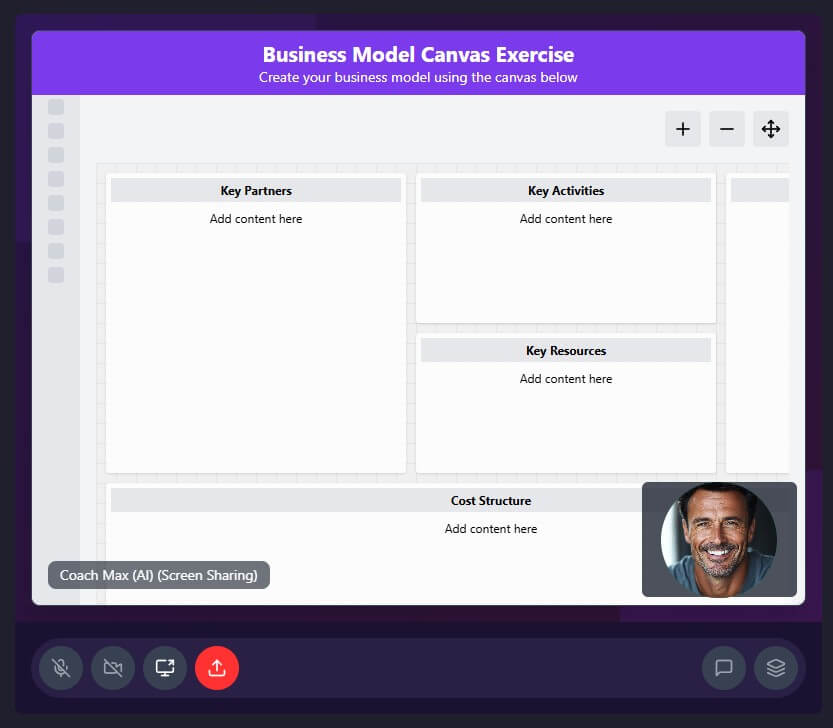
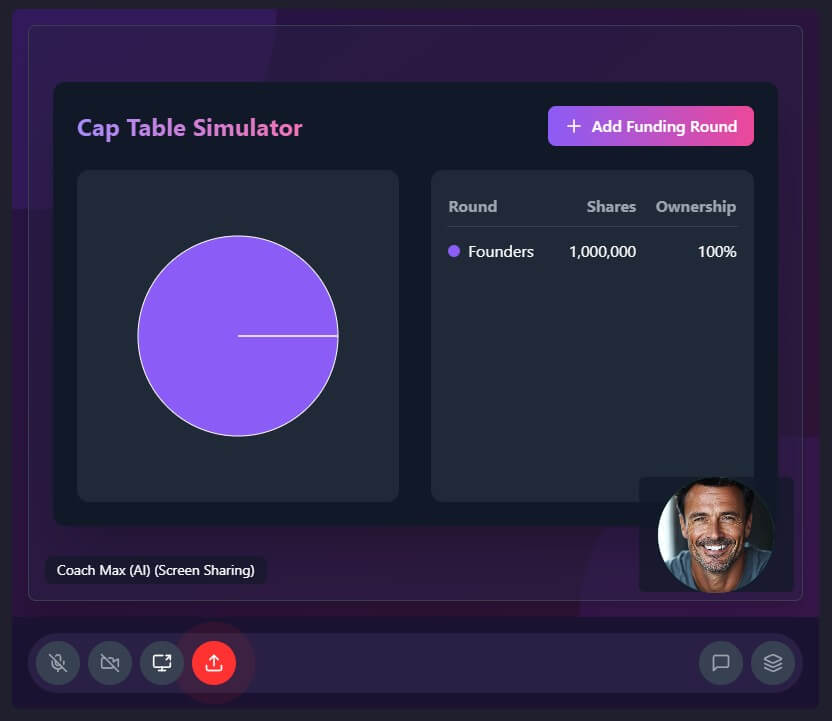
That is where Mentara’s format makes sense. The platform is not just asking users to paste in a pitch and receive written feedback. Its public materials point toward interactive practice: investor pitch sessions, roleplay, YC interview simulation, co-founder foundations, business model canvas work, cap table simulations, and goal tracking. That mix gives it a broader founder coaching angle than a pitch-deck checklist.
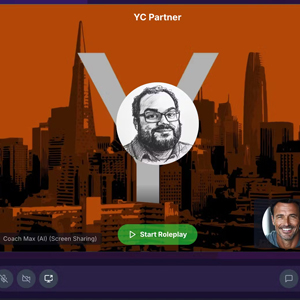
The YC interview simulator is one of the clearer examples. Mentara’s FAQ describes it as a conversational AI tool that runs realistic 10-minute interview sessions and challenges users on weak metrics, vague answers, and unclear thinking. That matters because YC-style interviews are short, direct, and unforgiving. A founder does not have time for rambling context. The answer needs to be crisp.
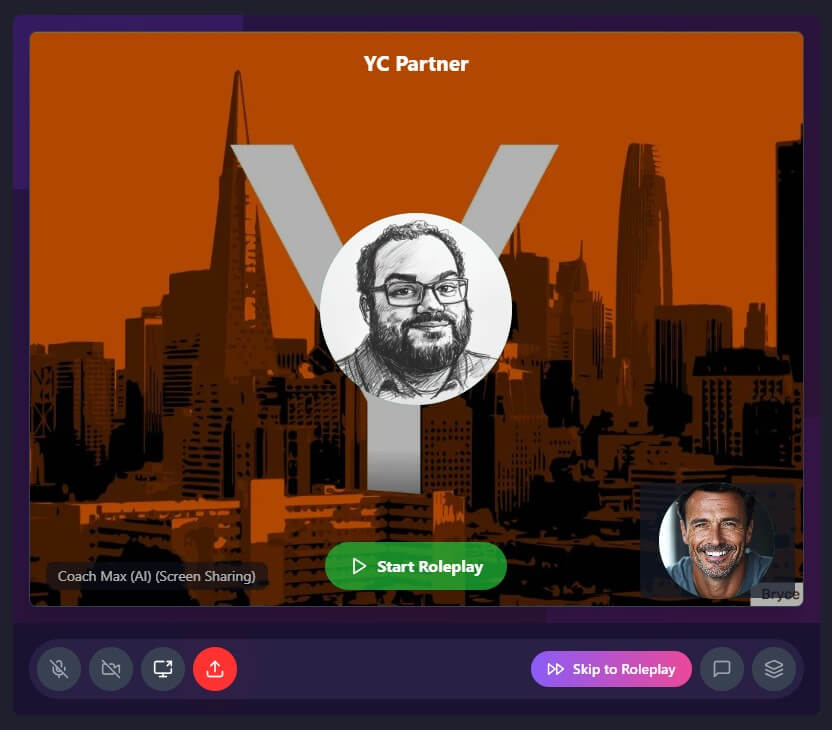
The best way to think about Mentara is as a practice room. A founder chooses the kind of conversation they need to prepare for, enters the relevant context, and then works through an AI-led simulation or coaching flow. The public site highlights investor pitch practice, co-founder foundations, business model canvas work, cap table simulations, and goal tracking as entry points.
That structure is useful because founder coaching is not one problem. A founder may need help explaining the business, defending market size, answering why the team can win, discussing equity, or deciding what to focus on this week. Mentara appears designed around those separate founder moments rather than a single generic “startup advice” chat.
The YC simulator is likely the most immediately understandable workflow. It gives founders a realistic short session, then pushes on the parts investors tend to challenge. Mentara’s own LinkedIn launch post described the simulator as a 10-minute experience that pushes founders on market, growth, and product, with real-time feedback on clarity, adaptive questions, and blind-spot detection.
That is a smart coaching pattern. Good interview practice should not only ask expected questions. It should interrupt vague thinking, force trade-offs, and make users explain numbers, assumptions, and strategy under pressure.
Mentara is most useful for early-stage founders who do not yet have regular access to experienced mentors, advisors, or investors. Human feedback is still more valuable when available, but many founders need more repetitions than a human mentor can provide. AI coaching can fill that practice gap.
It is also useful for technical founders who are stronger at building than selling. Investor communication is a different skill. A founder may have a good product and still struggle to explain the market, urgency, distribution path, or competitive edge. Mentara’s focus on clarity and specificity directly targets that problem.
The Pitch Perfect launch broadens the platform beyond YC-style interviews. Product Hunt lists Mentara launches including “Pitch Perfect - VC Pitch,” described as a way to pitch to legendary VCs, analyze decks, and negotiate terms. That makes Mentara more relevant for fundraising preparation, not only accelerator interviews.
Mentara’s value depends on how specific its feedback becomes. Generic advice such as “be clearer” or “add more traction” is easy to find anywhere. Useful coaching needs to show where the answer broke down and how to improve it.
Public user discussion around Mentara points to this kind of detail. One Hacker News commenter said the product flagged vague language such as “targeting growth” and suggested replacing general claims with concrete numbers or goals. That is the right direction for founder coaching because vague confidence rarely survives investor questioning.
The strongest feedback for founders usually falls into a few categories: unclear problem framing, weak market logic, missing traction proof, shallow competition answers, fuzzy go-to-market strategy, and answers that sound impressive but do not say much. If Mentara consistently catches those issues, it can be useful even before a founder speaks to a real investor.
- YC interview preparation: Mentara is a strong fit for founders who need fast, blunt practice before a short accelerator interview.
- Investor pitch rehearsal: Useful for founders preparing for seed, pre-seed, angel, or demo day conversations.
- Pitch deck defense: Better for founders who already have a deck and need to practice the questions behind the slides.
- Technical founder communication: Helpful for builders who need to explain traction, market, and business logic more clearly.
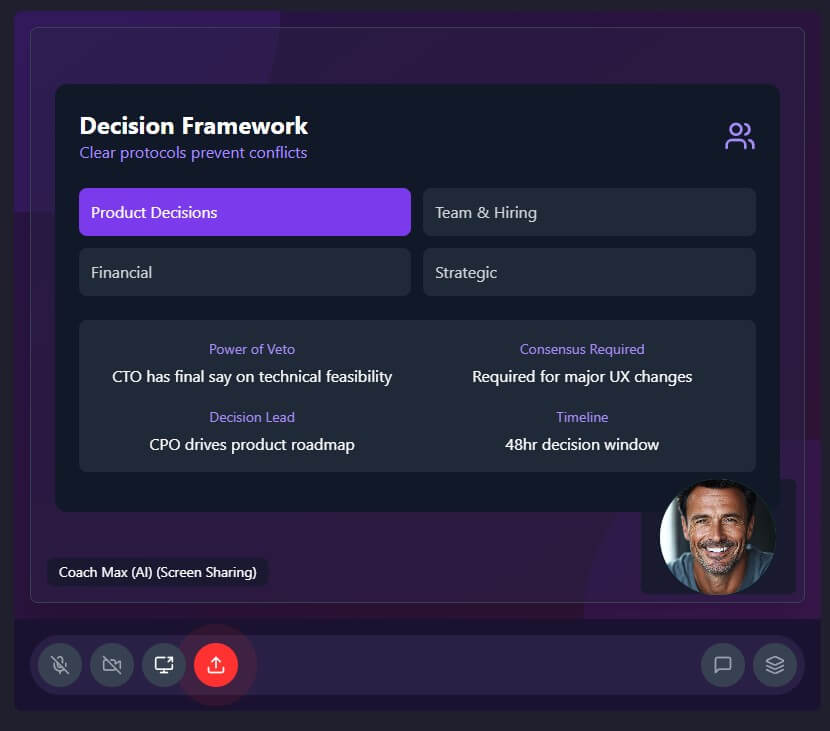
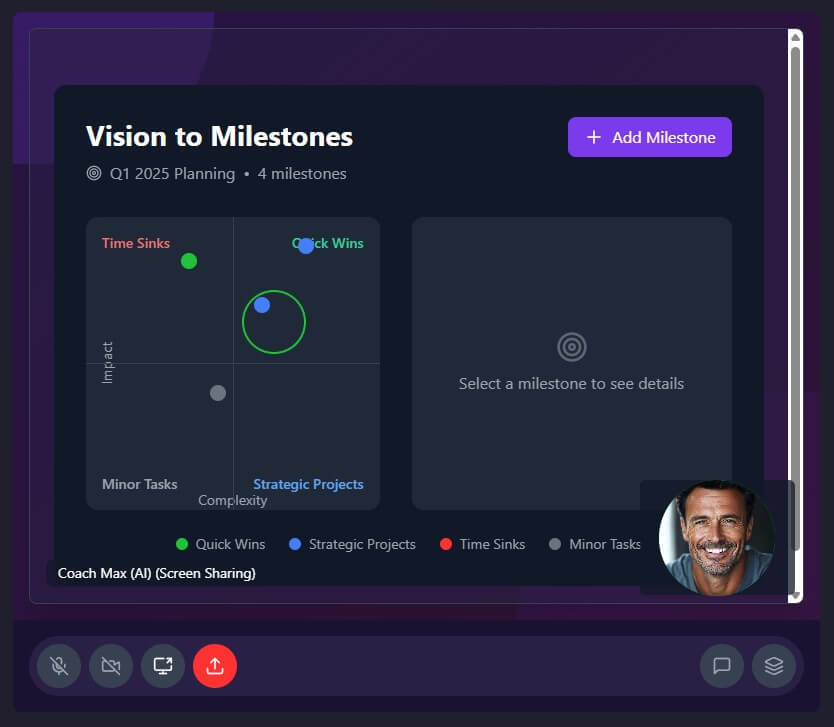
- Co-founder and strategy conversations: The platform’s public site includes co-founder foundations, business model canvas, and goal tracking, which makes it useful beyond fundraising practice.
- Repeat practice before high-pressure meetings: Good for founders who want to rehearse several times before talking to investors, accelerators, or advisors.
- Mentara should not be treated as a replacement for real investor feedback: AI can help founders practice, but investors bring context, pattern recognition, personal judgment, and market knowledge that a simulator may not fully match.
- The platform also depends on the quality of the founder’s input: If a user gives vague company context, the coaching may stay surface-level. Mentara will likely work best when founders enter real numbers, customer details, market assumptions, deck context, and honest weaknesses.
- There is also a risk of over-polishing: A founder who practices too much with AI may start sounding rehearsed. The best pitch is not a script. It is a clear conversation where the founder can answer directly, adapt, and defend the business without hiding behind memorized lines.
- Finally, Mentara seems strongest for founder coaching and fundraising preparation: Users looking for general business planning, legal advice, accounting help, or operational execution support may still need other tools or human experts.
Mentara is best for founders who need a safer place to practice investor conversations before the real ones.
Its strongest value is the combination of AI roleplay, YC-style interview simulation, pitch preparation, deck defense, and goal-oriented founder coaching.
The main caveat is that AI coaching should sharpen the founder’s thinking, not replace real preparation, customer insight, or human feedback.
TAGS: Self Improvement
Related Tools:

Enables teams to capture, access, and verify information
Helps prepare for job interviews through practice sessions
Offers virtual health assistance and expert medical consultations

AI-powered language learning tool
Enhances user's language fluency

Provides feedback and analysis to improve communication skills