
Share this tool:
 |
Description:
Opinly is an AI-powered SEO and competitor intelligence platform built for teams that want to automate more of their search growth. Its current positioning focuses on growing SEO and LLM traffic, with tools for site audits, keyword tracking, content generation, CMS publishing, backlink building, and competitor analytics.
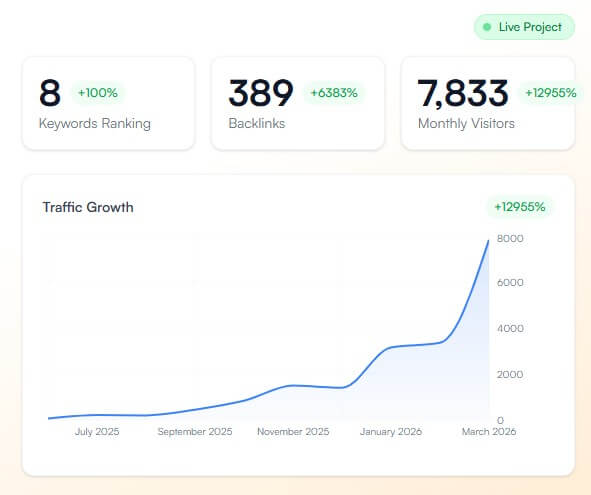
Opinly is strongest when used as a connected SEO operations system, not as a single-purpose keyword tool. The platform is built around a practical sequence: audit the site, find keyword opportunities, compare competitors, generate content, publish through an integration, monitor rankings, and use backlinks to build authority.
That is a useful shift from traditional SEO workflows. Many businesses still keep their audit tool, keyword tracker, content brief system, CMS, backlink process, and competitor tracking in separate places. Opinly tries to bring those steps into one dashboard, then automate enough of the work that users do not have to manually restart the process every week.
The platform’s strongest promise is not just “AI content.” It is the loop around the content: keywords, clusters, competitor gaps, publishing, performance tracking, and site health.
| Toolkit | What It Helps With |
|---|---|
| Site Audit | Crawls the website for technical and content-related SEO issues, then benchmarks health against competitors. |
| Keyword Tracking | Tracks rankings, search volume, estimated traffic, page health, and competitor movement over time. |
| Keyword Research | Finds new keyword opportunities using search volume, trend data, competition, CPC, and search intent. |
| Content System | Generates SEO articles from approved clusters, with outlines, metadata, FAQs, images, scheduling, and CMS sync. |
| Platform Integrations | Connects with WordPress, Shopify, Wix, Webflow, Next.js, and manual publishing workflows. |
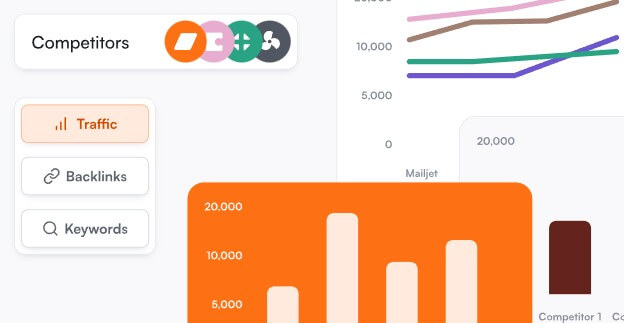
| Competitor Analytics | Tracks competitors’ keyword rankings, content, backlink strategies, gaps, and performance benchmarks. |
Opinly’s official platform page groups these into toolkits for site audits, keyword tracking and research, integrations, content optimization, backlink building, and competitor analysis.
The keyword system is one of Opinly’s most useful areas. It does more than let users enter a keyword and watch the ranking line move. Opinly’s help article describes five keyword tabs: Tracked Keywords, Ranked Keywords, Keyword Research, Competing Keywords, and Gap Analysis.
The gap analysis feature is especially practical. It shows keywords where a competitor ranks and the user’s site does not appear at all. That is often a better starting point than chasing broad, high-volume keywords. A business can look for missing topics, filter by intent and volume, then feed those ideas into the content roadmap.
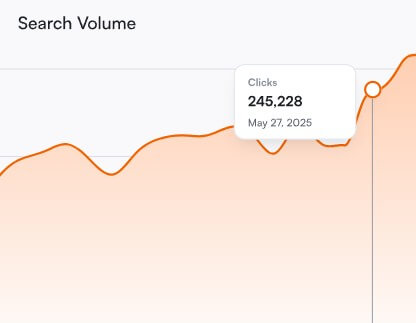
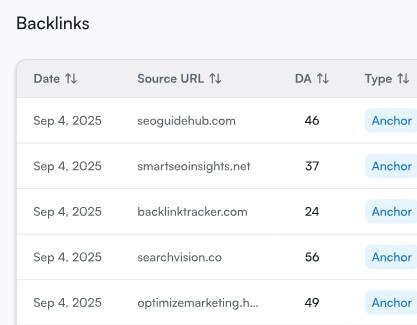
The platform also tracks competitor movement inside SERPs, including position changes, backlinks, referring domains, and audit scores for ranking pages. This makes Opinly more useful for ongoing SEO work because it stores movement over time, not just one-off snapshots.
Opinly’s content system is built around clusters rather than random blog generation. Users describe their business, target locations, publishing rate, and content preferences. Opinly then suggests clusters based on the company description and competitor analysis, which users can approve, edit, remove, or create from scratch.
That structure matters. AI content tools often fail because they produce disconnected posts with no strategic spine. Opinly’s cluster approach gives the content system a clearer role: build topical authority around subjects the business actually wants to own.
There are three main creation paths. Automatic generation selects keywords from approved clusters and writes posts on a schedule. Manual AI generation lets users request a specific post, choose a keyword, set instructions, and approve an outline before the full article is generated. Bulk batch generation creates multiple posts across a date range.
The workflow is practical because it includes a review layer. Users can keep auto-publish off, review drafts, edit text, adjust images, modify FAQs, update metadata, and publish only when the content is ready.

Opinly supports direct publishing workflows for WordPress, Shopify, Wix, and Webflow. It also supports Next.js through an SDK and offers a manual option for users who prefer copy-and-paste control.
This is important because SEO content creation only helps if it gets published cleanly. Opinly’s CMS sync can create posts directly in the connected platform, while the manual option is useful for teams that need more approval or formatting control.
For custom sites, the SDK route is useful but less plug-and-play. It requires developer support. That makes Opinly easier for standard CMS users than for teams with complex custom publishing stacks.
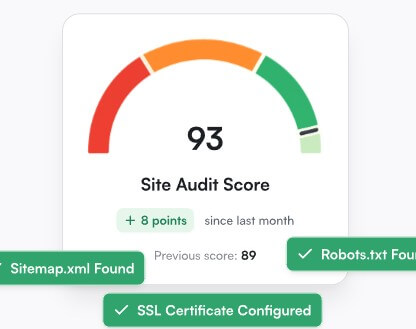
The Site Audit tool gives Opinly a stronger foundation than a content-only platform. It crawls up to 50 pages, checks for technical and content-related SEO problems, provides a 0 to 100 Site Audit Score, and benchmarks that score against tracked competitors.
The checks cover practical problems such as broken links, broken resources, duplicate titles, duplicate meta descriptions, duplicate content, missing H1 tags, missing alt text, redirect loops, low-content pages, spelling errors, render-blocking resources, and conflicting link relation signals.
This matters because publishing more content will not fix every SEO issue. A site with weak internal structure, missing metadata, crawl problems, or thin pages may need cleanup before content volume produces results. Opinly is stronger when users treat the audit as part of the workflow, not as a separate report they glance at once.
Opinly is a good fit for founders, marketers, SEO teams, ecommerce businesses, content managers, agencies, and small teams that want to systemize search growth without stitching together several tools.
It works especially well for businesses that need regular blog publishing, competitor keyword monitoring, content gap discovery, site health tracking, and CMS-connected publishing. Shopify and WordPress users may get the cleanest workflow because those integrations connect content production directly to publishing.
Agencies may also find value in the competitor comparison layer. Being able to show audit score changes, keyword movement, gaps, and content output gives client work a clearer reporting structure.
- Start with competitor gap analysis before generating content. It gives the content plan a sharper reason to exist.
- Keep auto-publish off at the beginning. Review the first batch of content manually so the tone, claims, structure, and metadata match the brand.
- Use clusters carefully. Broad clusters help awareness, but narrow clusters are often better for readers close to a decision.
- Check technical issues before scaling content. Broken links, missing H1 tags, thin pages, or duplicate metadata can limit the impact of new posts.
- Watch rankings over time. Opinly becomes more useful once it has enough trend data to show movement, not just initial positions.
- Opinly’s main trade-off is trust and review: Automated SEO content can save time, but it still needs editorial judgment. Users should check accuracy, brand voice, claims, internal links, image choices, and search intent before publishing.
- The second limitation is that automation does not replace SEO strategy: Opinly can suggest clusters, find gaps, generate posts, and track rankings, but users still need to choose the right market, offer, positioning, and content standards.
- Site audit coverage is also something to watch: The help article says the audit crawls up to 50 pages, which is useful for many small and mid-sized sites, but large sites may need a deeper crawl or a dedicated technical SEO tool for full coverage.
Opinly is best for teams that want SEO automation tied to competitor intelligence, content generation, keyword tracking, CMS publishing, site audits, and backlink workflows.
Its strongest value is the connected loop from keyword gap to content cluster to published article to performance tracking.
The main caveat is that users should not treat it as a hands-off replacement for SEO judgment. Opinly can automate much of the process, but the best results will still come from careful review, sharp positioning, and a clear content strategy.
Related Tools:

Generates unique and brandable business names

Analyzes many sources to investigate complex topics

create full brand identities—logos, visuals, and messaging

Helps SaaS teams create and send email sequences

Generates realistic marketing videos using AI avatars

Quickly validates business ideas and provides detailed insights