Share this tool:
 |
Description:
Turbologo is an AI-assisted logo maker and brand identity platform for founders, small businesses, freelancers, and early-stage brands that need a usable logo without hiring a designer. Its current website positions it as more than a logo generator: users can create a logo, then build related assets such as a brand kit, business cards, social media posts, and an AI-generated website from the same visual direction.
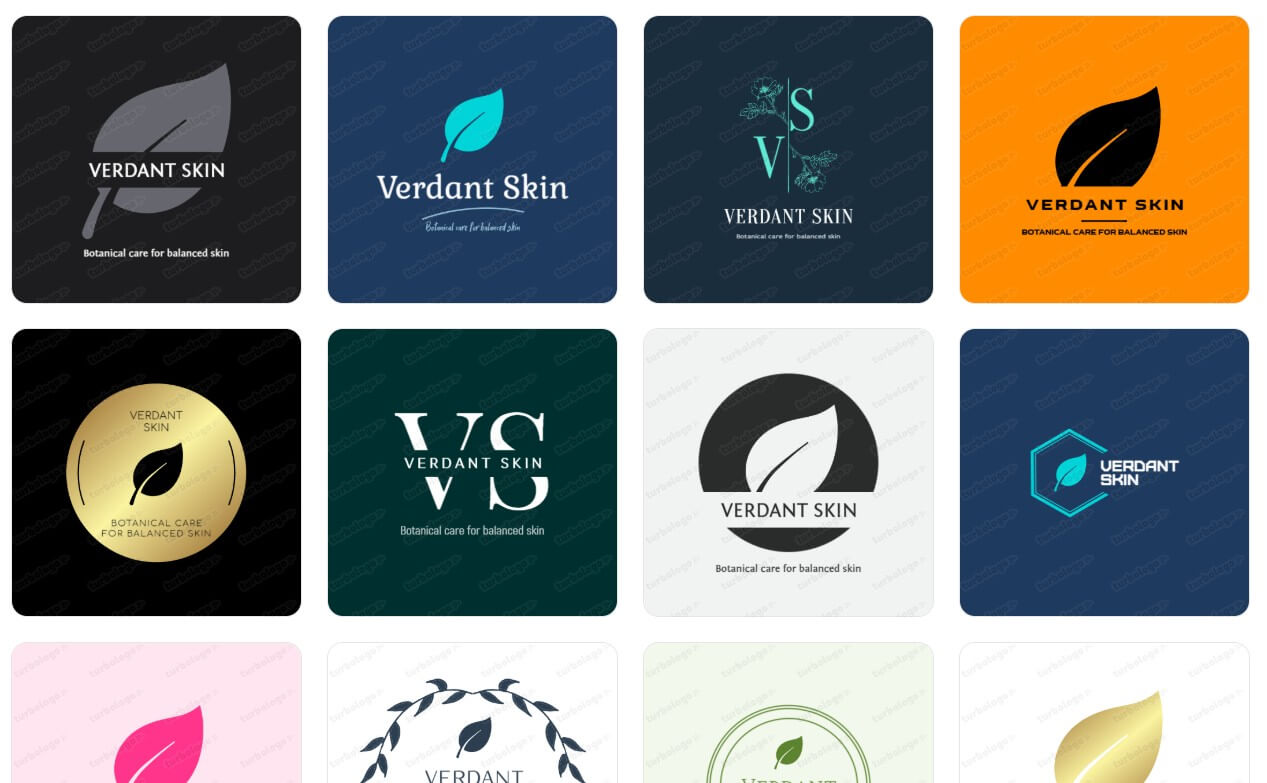
Company Name: Verdant Skin
Slogan: Botanical care for balanced skin
Here are the Turbologo results for this sample.
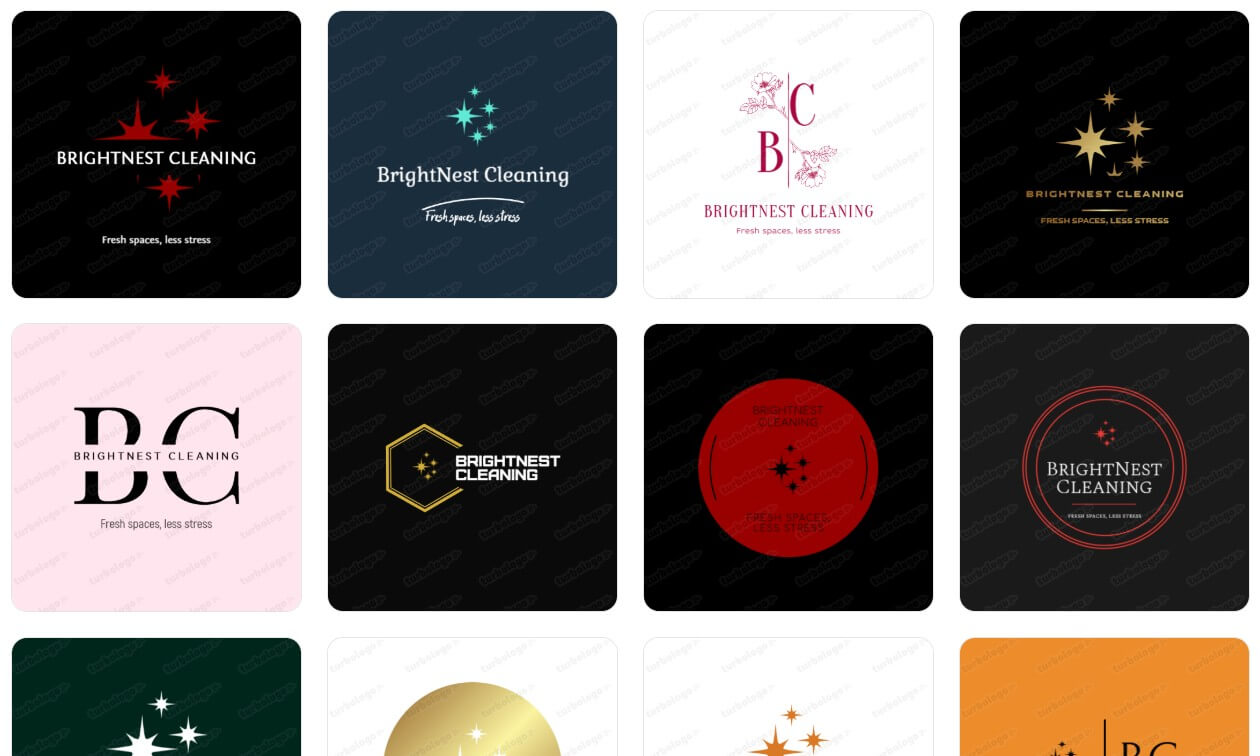
Company Name: BrightNest Cleaning
Slogan: Fresh spaces, less stress
Here are the Turbologo results for this sample.
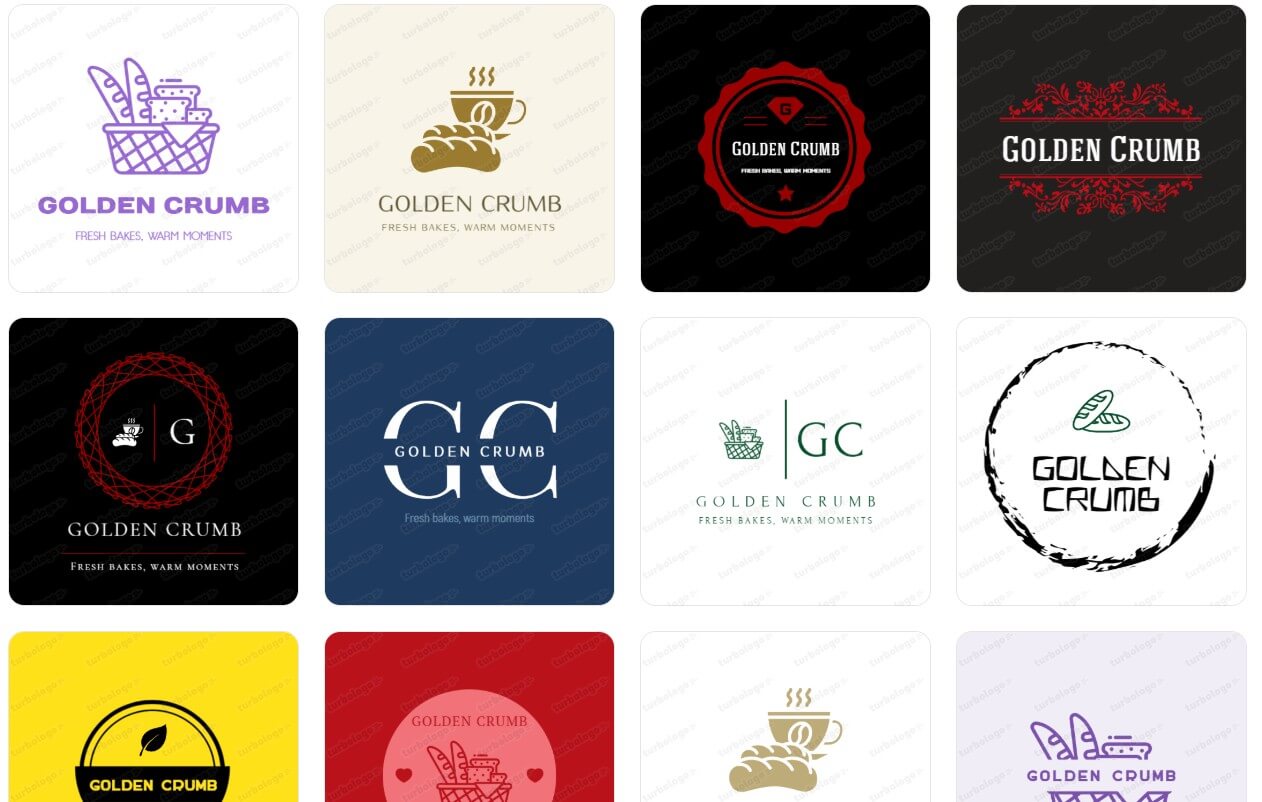
Company Name: Golden Crumb
Slogan: Fresh bakes, warm moments
Here are the Turbologo results for this sample.
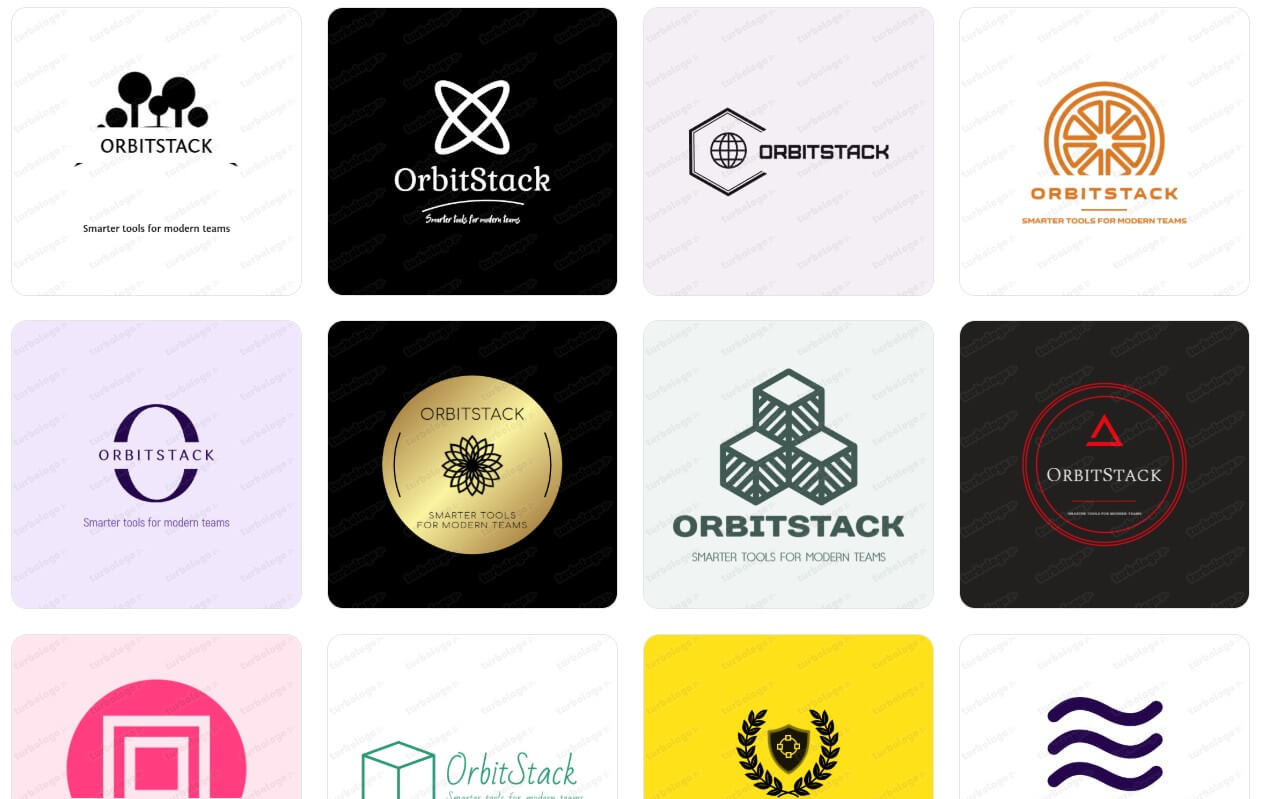
Company Name: OrbitStack
Slogan: Smarter tools for modern teams
Here are the Turbologo results for this sample.
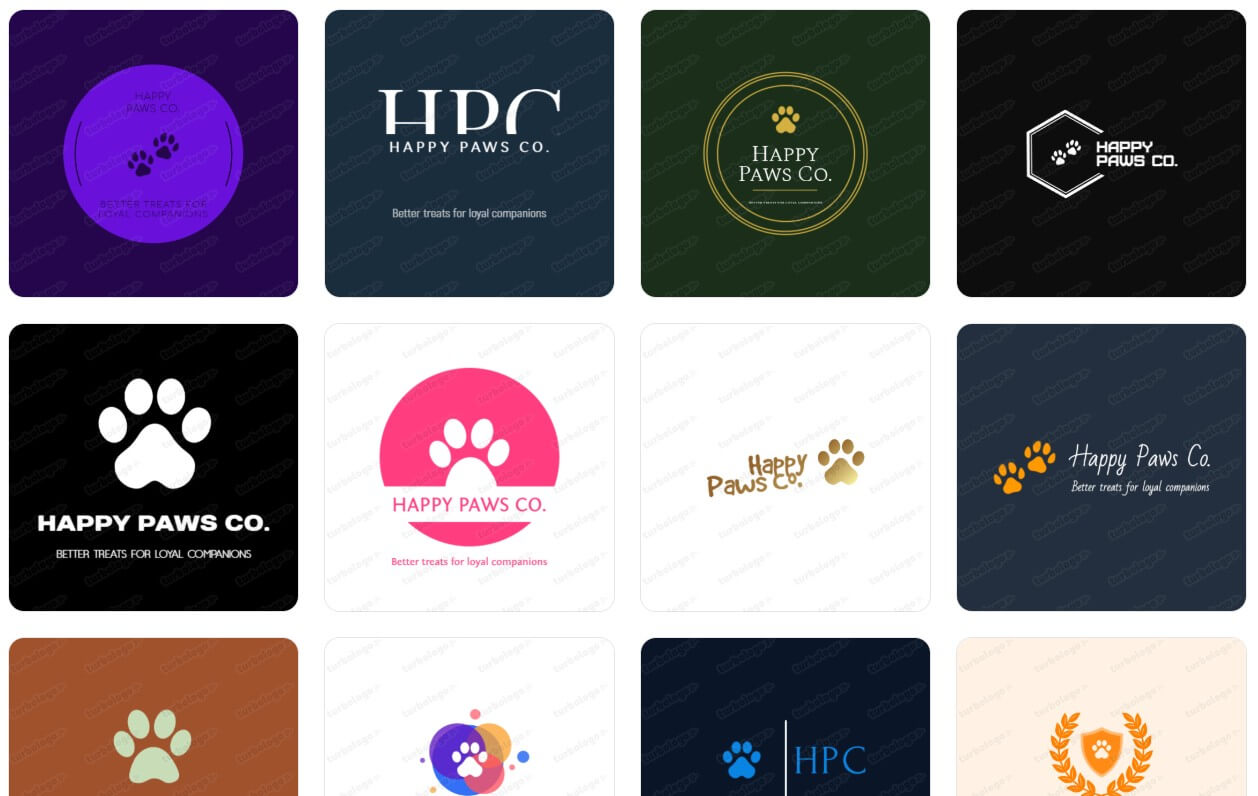
Company Name: Happy Paws Co.
Slogan: Better treats for loyal companions
Here are the Turbologo results for this sample.
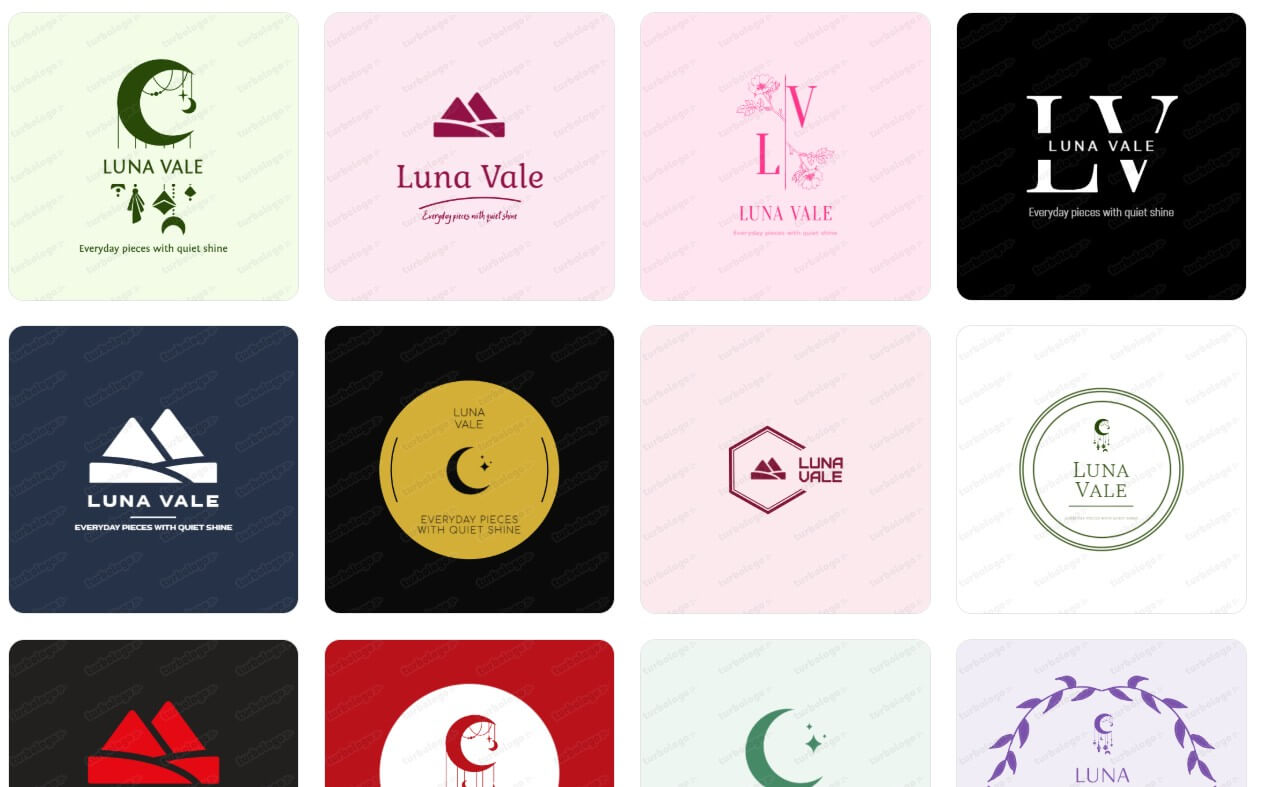
Company Name: Luna Vale
Slogan: Everyday pieces with quiet shine
Here are the Turbologo results for this sample.
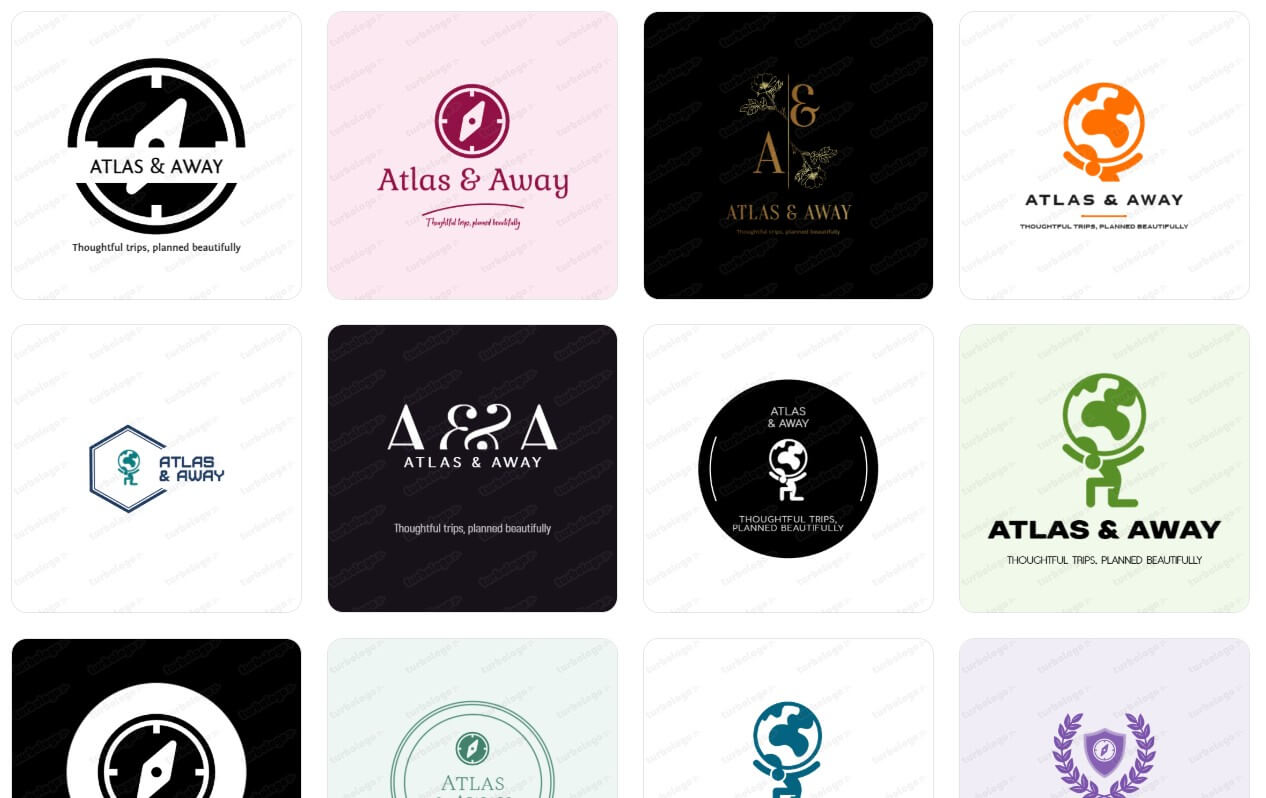
Company Name: Atlas & Away
Slogan: Thoughtful trips, planned beautifully
Here are the Turbologo results for this sample.
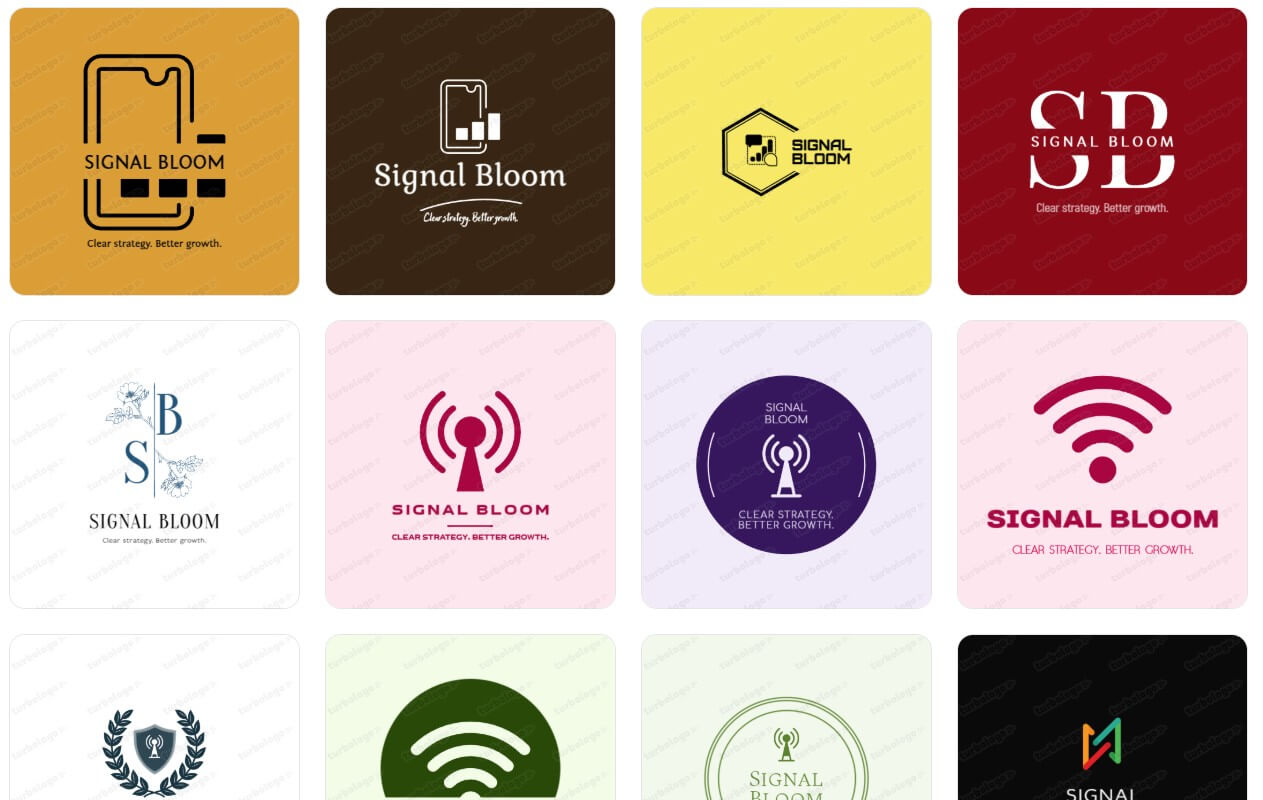
Here is an additional Turbologo sample result.
Turbologo is strongest when someone needs a brand identity quickly and does not want to start from a blank design canvas. The workflow is built for non-designers: enter a company name, add a slogan if needed, choose a style direction, review generated options, then customize the design in the browser.
That makes it useful for small business owners who need a logo for a website, invoice, business card, social profile, storefront, Etsy shop, local service page, or early product launch. It is not trying to replace a senior brand designer. It is trying to remove the first barrier: getting from “I need a professional-looking logo” to “I have a complete set of files and supporting brand assets.”
The most practical part is the brand kit layer. Many logo makers stop once you download a mark. Turbologo goes further by generating colors, fonts, guidelines, social templates, business cards, letterheads, envelopes, and other supporting materials from the logo direction. That is useful because small brands often look inconsistent across platforms. The logo may look fine, but the Instagram profile, email signature, business card, and website all use different colors and fonts. Turbologo’s brand kit tries to keep those pieces aligned.
Turbologo’s workflow is designed for speed. The homepage describes a four-step process: tell the tool about the business, see dozens of logo options, customize colors, fonts, and icons, then launch the brand across assets such as business cards, social posts, and a website.
This works well for users who know they need something presentable but do not have a clear visual identity yet. The generated options give them starting points. From there, the editor helps refine the mark without requiring design software knowledge.
The platform’s biggest ease-of-use advantage is that it packages several brand tasks into one place. A founder does not have to design a logo in one tool, build social graphics in another, create business cards somewhere else, then manually copy color codes into a website builder. Turbologo’s brand kit approach keeps those assets connected.
That said, ease can also lead to quick decisions. A logo should not be chosen only because it looks good in the preview. Users should check whether it works in small sizes, black and white, horizontal layouts, social profile circles, business cards, and website headers before committing.
Turbologo is strongest for clean, practical, template-assisted logos. These are often good enough for local businesses, side projects, service providers, small shops, consultants, creators, and early-stage online brands.
The editor gives users control over the main pieces: font, color, icon, and layout. That is important because AI-generated logo options can feel close but not finished. A symbol may be right, but the font may feel too playful. A color palette may work, but the icon may need to be simpler. Turbologo’s customization layer helps users turn generated options into something more suitable.
Still, there is a ceiling. A tool like Turbologo can generate polished brand assets, but it will not fully replace custom strategy, competitive positioning, naming research, typography craft, or trademark review. If a company needs a distinctive brand system for a major launch, investor-backed startup, luxury product, or crowded category, a professional designer may still be the better route.
For simpler business needs, though, Turbologo can be enough. The best results usually come from users who edit the generated logo rather than accepting the first attractive option.
The brand kit is one of Turbologo’s more useful features because it solves a common problem: logo makers often leave users with a file, not a brand system.
Turbologo’s logo maker page says the platform can generate colors, fonts, guidelines, letterheads, envelopes, marketing templates, social media assets, and business cards. It also includes brand guideline details such as color codes, font names, and usage rules.
This matters for businesses that need to look consistent fast. A small accounting firm, bakery, online coach, cleaning company, dog groomer, or software side project may not need a deep brand book. But it does need the same colors, logo version, and typography across its website, flyers, invoices, email footer, and social profiles.
The supporting assets are also practical for people who do not design often. Business cards, social covers, and ready-sized social templates reduce the chance of stretched logos, mismatched colors, or awkward cropping.
- New small businesses: Turbologo is a good fit for owners who need a professional starting identity before launching a website, social page, or local listing.
- Freelancers and consultants: Solo operators can use it to create a personal business logo, business card, email signature, and social profile assets without hiring a full branding team.
- Local service businesses: Cleaning services, salons, repair companies, tutors, fitness coaches, photographers, and home service brands can use it for fast, consistent visual identity.
- Ecommerce side projects: Small online stores can create a logo and related brand assets quickly, especially when the goal is to test a product or niche.
- Early-stage concepts: Founders testing a name or landing page can use Turbologo before investing in a custom identity.
- Basic brand refreshes: A business with an outdated logo may use it to explore cleaner options before deciding whether to hire a designer.
- Start with a clear business name and category. The more specific the business description, the better the logo directions tend to be.
- Avoid overly detailed icons. Simple marks scale better across favicons, social profiles, invoices, and business cards.
- Check the logo in black and white. If it only works in one color palette, it may be too fragile.
- Test small sizes. A logo that looks good large can fail as a profile icon or website header.
- Use the brand kit, not just the logo. The strongest value comes from applying the same colors, fonts, and layout rules across all materials.
- Do a basic trademark search before using the logo seriously. AI-generated or template-assisted marks still need legal and market checks.
- Turbologo’s main limitation is originality. AI logo makers work from patterns, icons, fonts, and layout conventions. The output can look clean and professional, but it may not feel as distinctive as a custom-designed identity.
- The second limitation is brand strategy. Turbologo can create a visual identity, but it does not deeply solve positioning, messaging, customer perception, market differentiation, or long-term brand architecture.
- There is also a risk of choosing a logo too quickly. Because the process is fast, users may pick something that looks good in isolation but does not match the business personality, customer expectations, or future product direction.
- Finally, businesses in crowded or high-stakes markets should be careful. A law firm, medical brand, finance company, or funded startup may need more review around trust, compliance, uniqueness, and trademark safety.
Turbologo is best for small businesses, freelancers, local service providers, creators, and early-stage founders who need a logo and basic brand identity quickly.
Its strongest value is not just logo generation, but the connected brand kit: colors, fonts, guidelines, business cards, social templates, and website support in one workflow.
The main caveat is originality. Turbologo can help a brand look professional fast, but users who need deep strategy, custom design craft, or a highly distinctive identity should still consider working with a professional designer.
TAGS: Marketing Generative Art
Related Tools:
Transforms a single product photo into marketing images
Create high-quality animations and motion graphics

AI-powered photo editing toolkit
Generates architectural designs
Creates videos, images, and text from simple prompts

Streamlines data analysis and visualization